
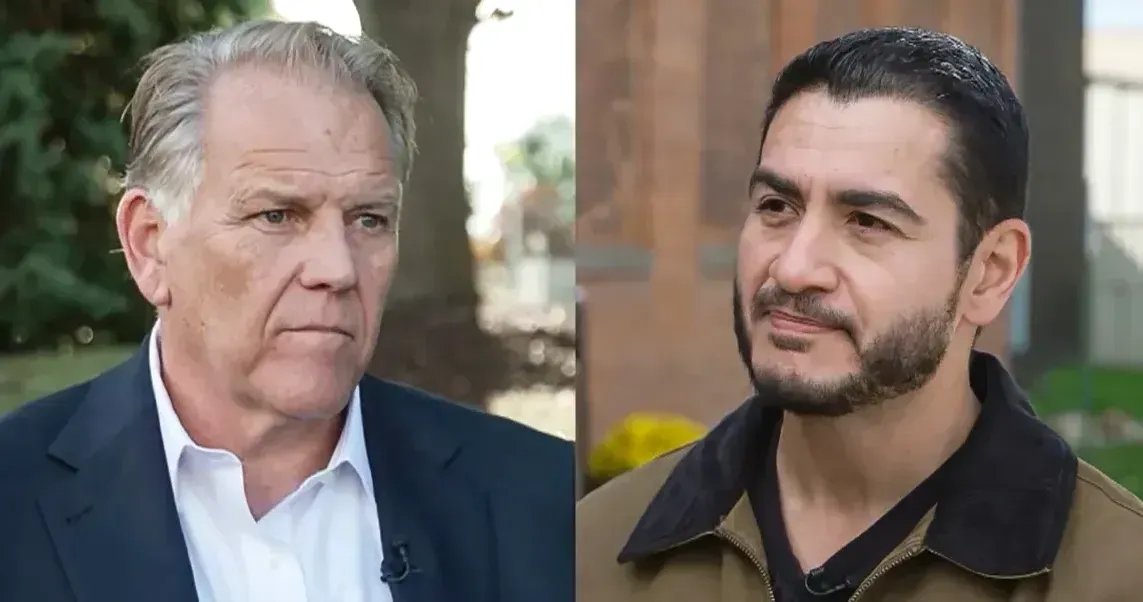
Democratic nominee Abdul El-Sayed and Republican former Representative Mike Rogers met for their final televised clash in Detroit on Wednesday, delivering a high stakes performance as they enter the closing stretch of a dead heat race. While the encounter lacked some of the raw volatility seen in their first meeting earlier this month, it remained sharply divided along ideological lines. With polls showing a neck and neck battle to replace retiring Senator Gary Peters, both men spent much of the evening attempting to define their opponent for undecided voters just days before the election.
El-Sayed focused his strategy on tying Rogers closely to Donald Trump, framing him as a corporate ally whose priorities differ from those of everyday Michiganders. He specifically linked rising costs of living to foreign conflicts, arguing that a war powers resolution is necessary to prevent further economic instability caused by military engagements. When pressed on the issue, El-Sayed challenged the notion that Rogers would act as a check on Trump’s impulses once in office, suggesting that the historical record of Republican senators resisting the former president is sparse at best.
In return, Rogers leaned heavily into personal attacks regarding El-Sayed’s background and associations. The mood shifted toward tension when Rogers suggested El-Sayed had misleading ties to Islamic fundamentalist groups abroad, including claims involving the Muslim Brotherhood. These allegations sparked the night’s most heated moment, with El-Sayed visibly frustrated as he defended his loyalty to the Constitution and pushed back against what he described as shameful insinuations directed at him and his family.
Despite the friction, Rogers attempted to carve out an independent identity on specific policy fronts. He signaled a willingness to break with Trump on certain trade measures, particularly criticizing tariffs affecting Canada and positioning himself as someone capable of negotiating better deals for Michigan’s economy. As the clock ran out on their formal debates, both candidates left the stage having reinforced their contrasting styles: El-Sayed leaning into populist rhetoric and direct voter appeals, and Rogers focusing on credentials and perceived risks associated with his opponent’s ideology.