
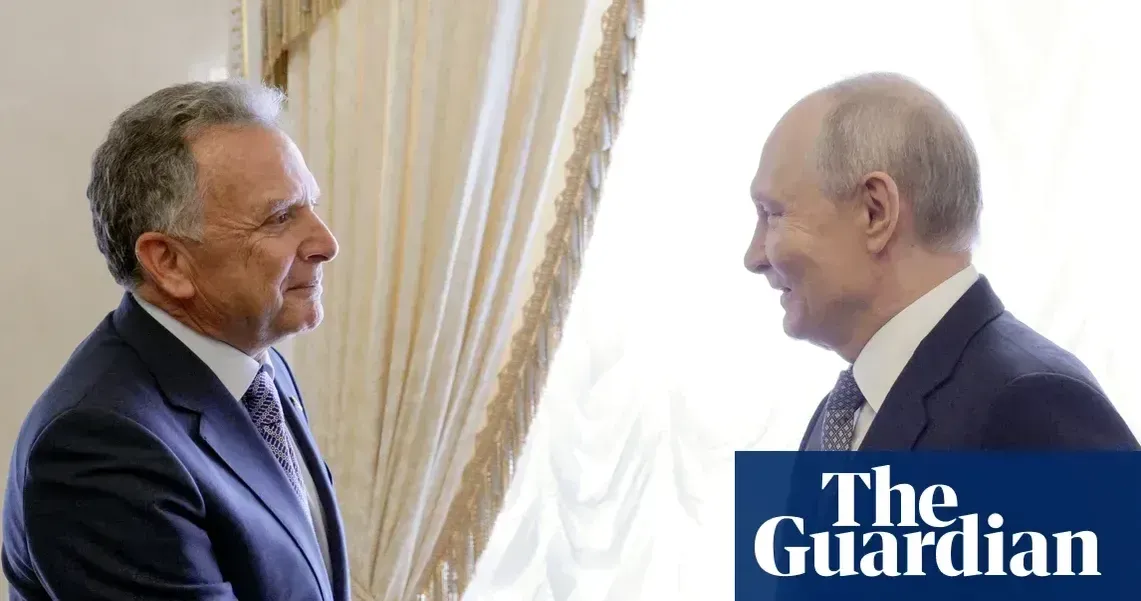
In a gesture seen by many as a strategic olive branch, Vladimir Putin ordered the unilateral release of Stephen Hubbard, a 74 year old former teacher imprisoned for over four years on mercenary charges. The announcement coincided with a high profile meeting in St Petersburg between the Russian president and Steve Witkoff, the special envoy dispatched by Donald Trump to negotiate an end to the conflict in Ukraine. Unlike typical hostage situations involving Western nationals, this release occurred without a prisoner swap, a detail Donald Trump highlighted on social media to emphasize his direct influence over the Kremlin.
The atmosphere at the Constantine Palace was remarkably cordial, marked by Witkoff praising Putin as a humanitarian while conveying gratitude for a contentious agreement to resume Russian diesel exports to the United States. This warm rapport stands in sharp contrast to the deteriorating relationship between Washington and Kyiv. While Witkoff presented proposed peace deals for Putin’s consideration, recent tensions have flared as Trump has publicly pressured Ukrainian President Volodymyr Zelenskyy to resign, framing him as a primary hurdle to achieving stability.
Despite these diplomatic overtures and reports of constructive dialogue following meetings in Oslo, substantial obstacles remain before any lasting ceasefire is reached. Moscow continues to pursue maximalist territorial goals in eastern Ukraine and shows little sign of halting its winter bombardments of critical infrastructure. Putin used the summit not only to discuss peace but to signal a desire for deeper economic integration with America post-war, specifically regarding fertilizer exports.
Meanwhile, Ukraine finds itself in an increasingly precarious position, reporting disrupted intelligence sharing and restricted access to essential military satellite networks. As the first tankers of Russian diesel prepare to head toward U.S. ports under the new agreement, analysts suggest the shipments may serve more as political theater ahead of midterms than as actual relief for global energy markets. For now, the momentum described by Witkoff remains fragile, balanced between transactional gains for Washington and steadfast demands from Moscow.